
Poetry Book Printing Services:
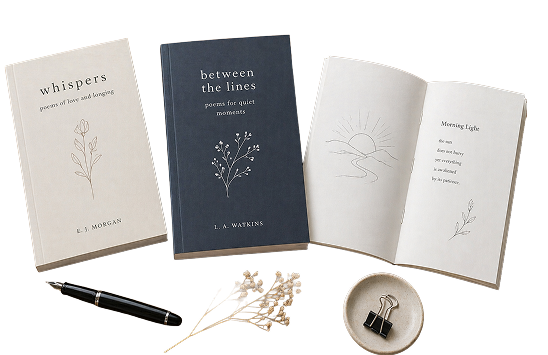
Poetry book printing requires a different approach than standard book production. Unlike text-heavy novels, poetry collections depend heavily on layout precision, spacing, typography, and paper quality to preserve the author’s intended rhythm and visual structure.
For self-publishing poets, choosing the right printing method, binding type, and materials directly impacts how the work is experienced by readers.
What Is Poetry Book Printing?
Poetry book printing is the process of producing collections of poems in physical form, often requiring custom formatting, specialized layouts, and flexible print quantities.
Common formats include:
- full-length poetry collections
- chapbooks (short-form poetry books)
- limited edition runs
- spoken word or performance-based collections
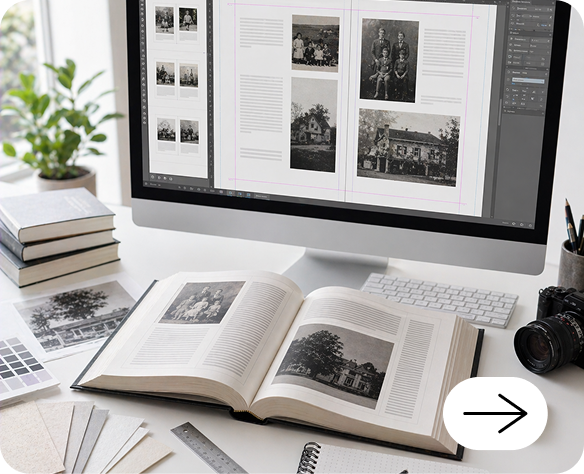
Because poetry often relies on line breaks and spacing, printing must maintain exact formatting fidelity.

How Poetry Book Printing Works
The poetry printing process includes several technical steps:

1. Manuscript Formatting
- preserve line breaks and spacing
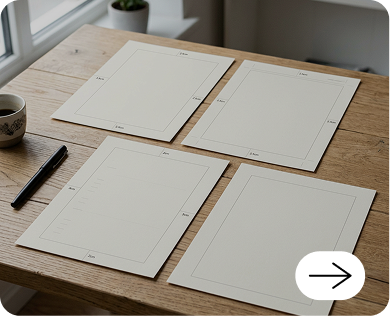
- control margins and page flow
- select appropriate trim size
2. Typography Selection
- choose readable, stylistically appropriate fonts
- ensure consistency across poems
3. Material Selection
- paper weight and color influence readability
- binding affects usability and presentation
4. Printing Method Selection
- Print-on-demand → flexible, low-risk
- Short-run printing → better quality control
- Bulk printing → cost efficiency at scale
5. Proofing and Production
- review physical proofs
- validate spacing, alignment, and ink density
How to Choose the Right Poetry Printing Option

Choose Print-on-Demand if:
- you are testing demand
- you want minimal upfront cost

Choose Short-Run Printing if:
- you want higher quality with moderate volume
- you plan to sell directly
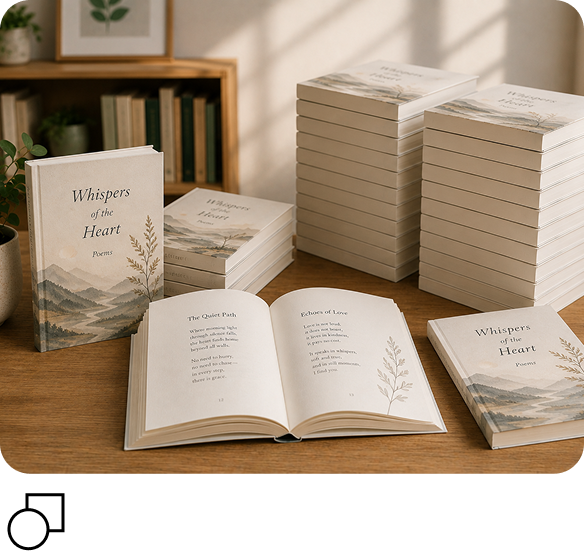
Choose Bulk Printing if:
- you have established demand
- you want the lowest per-unit cost
Types of Poetry Book Formats

Chapbook Printing (Short Poetry Books)
Chapbooks are typically:
- 20–40 pages
- saddle stitched or perfect bound
- used for small collections or promotional work
Best for:
- emerging poets
- events and readings
- limited releases

Trim Size
Common sizes include:
- 5” x 8”
- 5.5” x 8.5”
- 6” x 9”
Trim size affects:
- page count
- spine width
- reading experience

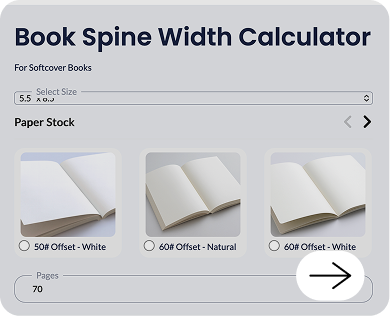
Spine Width
Spine width depends on:
- page count
- paper thickness
- Accurate spine calculation is critical for proper cover alignment.

Limited Edition Poetry Books
These may include:
- premium paper
- custom covers
- specialty finishes
Best for:
- collectors
- signed editions
- artistic projects
Key Production Considerations for Poetry Books
Layout Precision
- Poetry depends on spacing and line breaks. Improper formatting can distort meaning and rhythm.
Paper Choice
- cream paper → softer reading experience
- white paper → higher contrast and clarity
Binding Selection
- perfect bound → professional and durable
- saddle stitch → flexible and cost-effective
Cover Design
- Poetry books often rely on minimalist or artistic covers that reflect tone rather than plot.
Print Consistency
- Consistency across copies is critical, especially for limited runs or signed editions.

DiggyPOD Print Technician Insight
Poetry books are one of the most sensitive formats we produce because small layout shifts can change how a poem reads. We always recommend reviewing a printed proof to confirm spacing, margins, and page flow before full production.
Competitive Analysis: Where DiggyPOD Fits
Most platforms fall into two categories:
Distribution-Focused Platforms
- Amazon KDP
- IngramSpark
Strength: reach
Limitation: limited formatting control
Premium Visual Platforms
- Blurb
Strength: image quality
Limitation: higher cost


DiggyPOD Positioning
DiggyPOD fills the gap between these categories by offering:
- flexible short-run printing
- strong formatting control for poetry layouts
- consistent print quality
- direct support from print technicians
When DiggyPOD Is the Best Choice
- custom poetry collections
- chapbooks and small runs
- direct-to-reader sales
- projects requiring precise formatting
When to Request a Custom Quote
Poetry books often include unique formatting requirements that standard calculators don’t capture.
A custom quote helps:
- ensure correct page count and layout
- optimize binding selection
- avoid production issues


Key Takeaways
- Poetry book printing requires precise layout control
- Chapbooks are ideal for short-form poetry
- Binding and paper choices significantly affect readability
- Print-on-demand offers flexibility, while short-run improves quality
- DiggyPOD is a strong choice for poets needing control and consistency
FAQ Section
What is Christian self publishing?
Christian self publishing is the independent process of publishing faith-based books without a traditional publisher.
What is a poetry chapbook?
A chapbook is a short poetry collection, typically 20–40 pages, often printed using saddle stitch or perfect binding.
What is the best binding for poetry books?
Perfect binding is best for full collections, while saddle stitch works well for shorter chapbooks.
Can I print a poetry book in small quantities?
Yes. Short-run and print-on-demand options allow authors to print small quantities without large upfront costs.
How do I self publish a poetry collection?
Self-publishing involves formatting your manuscript, selecting a printing method, producing copies, and distributing through online or direct channels.
Other Topics You May Be Interested In
Self Publishing & Printing Your Poetry
Poetry book printing requires precise control over layout, spacing, and typography because the structure of each poem contributes directly to its meaning. Unlike standard text formats, even minor formatting inconsistencies can disrupt the intended rhythm and visual presentation.
A poetry chapbook is a short collection of poems, typically between 20 and 40 pages, often printed using saddle stitch or perfect binding. Chapbooks are commonly used by emerging poets for small releases, events, or limited distribution.
Short-run poetry book printing allows authors to produce small quantities while maintaining higher quality than standard print-on-demand. This approach is ideal for poets who want to sell directly to readers or create limited edition collections.
Binding selection plays a critical role in poetry book usability, with perfect binding offering a professional finish and saddle stitching providing flexibility for shorter works. The choice depends on page count, budget, and intended use.
Paper choice significantly impacts the reading experience of a poetry book, with cream paper offering a softer tone and white paper providing higher contrast. Heavier paper stocks can also improve durability and perceived quality.
Print-on-demand poetry book printing offers flexibility and low upfront cost, making it suitable for testing demand. However, it may limit customization options compared to short-run or bulk printing methods.
A well-produced poetry book balances visual design and readability, ensuring that line breaks, spacing, and typography are preserved accurately. This requires careful coordination between manuscript formatting and printing specifications.
Production consistency is especially important for poetry books, as variations in trimming, ink density, or alignment can affect how poems are presented. Working with a production-focused printer helps maintain uniform quality across copies.
Custom poetry book printing allows authors to select specific materials, binding types, and finishes to match the tone of their work. This level of control is often important for artistic projects and limited edition releases.
Self-publishing poetry collections provides authors with full control over design, printing, and distribution. This approach is commonly used by independent poets who want to retain ownership and connect directly with their audience.