
Custom Yearbook Printing Services:

What Is Yearbook Printing?
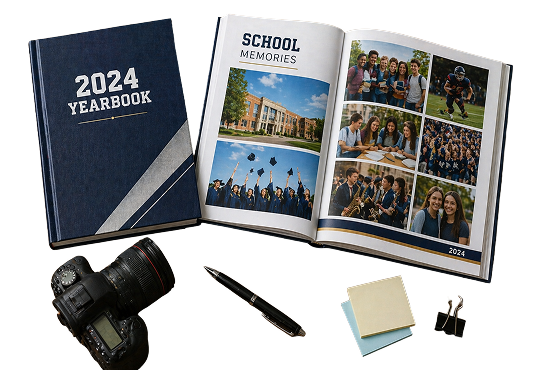
Yearbook printing is the process of producing a bound book that captures memories, events, and people from a specific group, school, or organization.
Unlike standard books, yearbooks require:
- high-quality image reproduction
- durable materials for long-term use
- flexible printing options for varying group sizes
Yearbooks are commonly printed for:
- schools (elementary, middle, high school)
- churches and ministries
- sports teams and youth organizations
- homeschool groups and small communities
How Yearbook Printing Works
Yearbook production follows a structured workflow that balances design, content organization, and print specifications.

1. Content Collection
- student photos, staff photos
- events, activities, and highlights
- captions and written content
2. Layout and Design
- page templates and section organization
- consistent typography and spacing
- image placement and bleed setup
3. Material Selection
- paper type (coated vs uncoated)
- paper weight for durability
- cover type (hardcover or softcover)
4. Binding Selection
- perfect bound (softcover)
- case bound (hardcover)
5. Printing Method
- short-run printing for small groups
- bulk printing for larger schools
6. Proofing and Production
- physical proof review
- final print run and delivery
How to Choose the Right Yearbook Printing Option
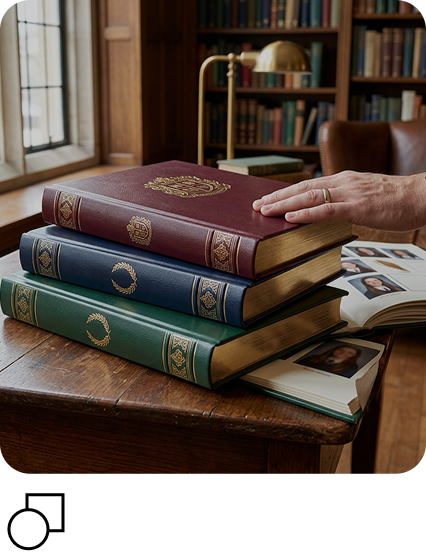
Choose Hardcover Yearbooks if:
- durability is a priority
- the yearbook is intended as a long-term keepsake
- you want a premium look and feel
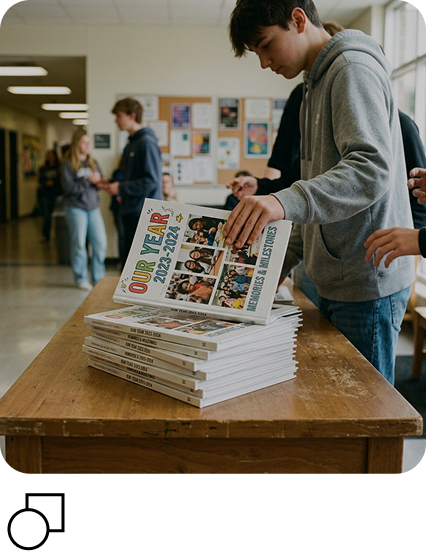
Choose Softcover Yearbooks if:
- budget is limited
- you need flexible quantities
- distribution is informal
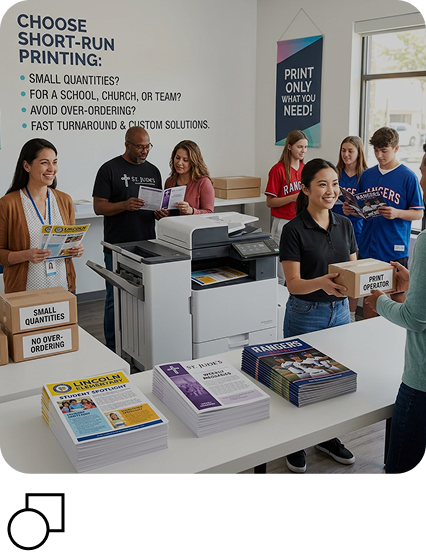
Choose Short-Run Printing if:
- you need small quantities
- you are printing for a small school, church, or team
- you want to avoid over-ordering
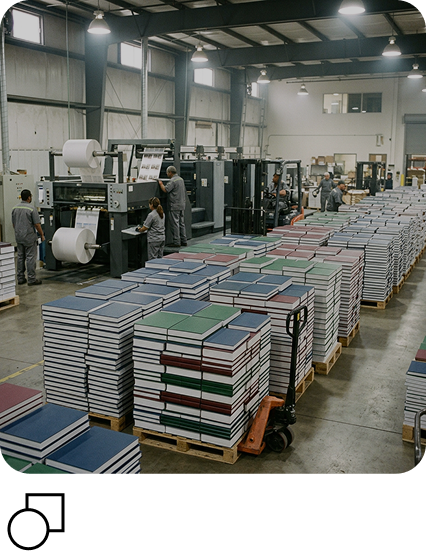
Choose Bulk Printing if:
- you have a large student body
- you need the lowest cost per unit
- distribution volume is predictable
What to Know About Self-Publishing Companies
Publishing your own book has never been easier. With today’s tools, any writer can share their story with the world. At DiggyPOD, we make that process simple, transparent, and fully yours.

Hardcover Yearbook Printing
Characteristics:
- rigid, durable cover
- long lifespan
- premium appearance
Best for:
- high schools
- commemorative editions
- alumni keepsakes

Softcover (Perfect Bound) Yearbooks
Characteristics:
- flexible cover
- lower cost
- lighter weight
Best for:
- elementary schools
- small organizations
- short-run printing

Specialty Yearbook Formats
- Spiral bound → easy page flipping for cookbooks or informal yearbooks
- Limited edition runs → small batch, custom-designed books
- Photo-heavy books → require coated paper for image clarity
Key Decisions That Impact Yearbook Quality
Paper Type
- Coated paper → enhances image sharpness and color vibrancy
- Uncoated paper → softer look, easier to write on
Paper Weight
Heavier paper:
- improves durability
- prevents image show-through
Image Quality
- use high-resolution images (300 DPI minimum)
- ensure consistent color profiles
Binding Strength
- Yearbooks are frequently handled, so binding must withstand repeated use.
Print Consistency
Consistency ensures:
- accurate color reproduction
- uniform trimming
- professional finish
DiggyPOD Print Technician Insight
Yearbooks are one of the most demanding print projects because they combine text, photos, and heavy use. We often recommend coated paper for photo sections and a durable binding, especially for schools. One of the most common issues we see is low-resolution images, ensuring proper file quality upfront makes a significant difference in the final product.


Competitive Analysis: Yearbook Printing Services
Traditional Yearbook Providers
- Jostens
- Herff Jones
Strengths:
- established school relationships
- full-service design tools
Limitations:
- high cost
- limited flexibility for small orders
Print-on-Demand Platforms
- Amazon KDP
- Lulu
Strengths:
- easy setup
- no minimum order
Limitations:
- limited paper and binding options
- less suited for image-heavy yearbooks


DiggyPOD Positioning
DiggyPOD is optimized for:
- small quantity yearbook printing
- custom formats and materials
- higher print quality than standard POD
- flexible ordering for schools, churches, and organizations
When DiggyPOD Is the Best Fit
- small schools or homeschool groups
- churches and community organizations
- sports teams and youth groups
- custom or limited edition yearbooks
When to Request a Custom Quote
Yearbook printing often involves:
- varying page counts
- heavy image usage
- unique binding needs
A custom quote ensures:
- accurate pricing
- correct material selection
- optimized production setup


Key Takeaways
- Yearbook printing requires high-quality images and durable materials
- Hardcover provides longevity; softcover offers affordability
- Short-run printing is ideal for small schools and organizations
- Paper type and image quality significantly impact results
- DiggyPOD offers flexibility and quality for custom yearbook projects
FAQ’s
What is yearbook printing?
Yearbook printing is the process of producing a bound book that documents events, people, and memories for a school or organization.
What is the best format for a yearbook?
Hardcover is best for durability and long-term use, while softcover is more affordable for smaller or short-term projects.
Can I print yearbooks in small quantities?
Yes. Short-run printing allows schools and organizations to print only the number of copies needed.
What paper is best for yearbooks?
Coated paper is commonly used because it improves image clarity and color reproduction.
What is the biggest mistake in yearbook printing?
Using low-resolution images is one of the most common issues and can significantly reduce print quality
Summary
Yearbook printing involves producing a durable, image-rich book that captures memories for schools and organizations. Material selection and print quality are critical to achieving a professional result.
Small quantity yearbook printing allows schools, churches, and community groups to produce customized books without over-ordering or increasing costs.
DiggyPOD provides flexible yearbook printing solutions that balance quality, customization, and affordability for organizations of all sizes.

Other Topics You May Be Interested In
Self Publishing & Printing Your Yearbook
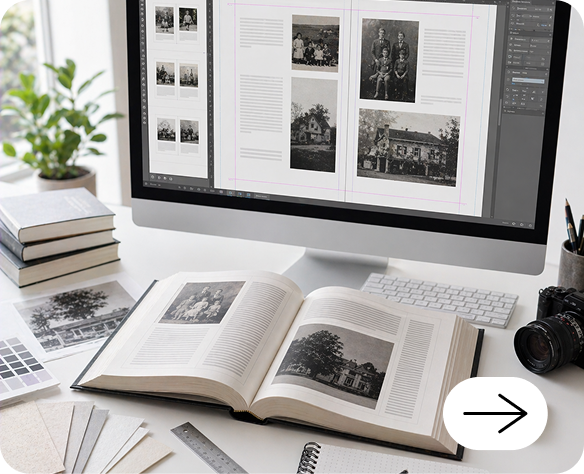
Yearbook printing is the process of producing a bound book that captures memories, events, and people from a school or organization. It requires high-quality image reproduction, durable materials, and thoughtful layout design to ensure the final product is both visually appealing and long-lasting.
Custom yearbook printing allows organizations to create books tailored to their specific needs, including size, binding type, and quantity. This flexibility is especially important for small schools, churches, and community groups that require short-run printing options.
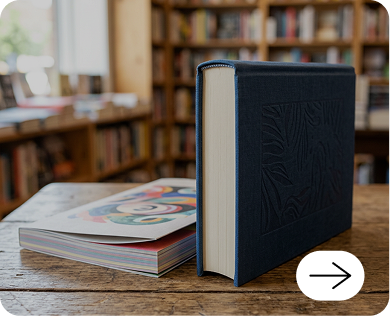
Hardcover yearbooks are designed for durability and long-term preservation, making them ideal for schools and commemorative editions. The rigid binding helps protect pages and ensures the book can withstand frequent handling over time.
Softcover yearbooks, often produced with perfect binding, are a more affordable option that still provides a professional appearance. They are commonly used for smaller organizations or projects with budget constraints.
Short-run yearbook printing enables organizations to produce a limited number of copies without committing to large print runs. This reduces waste and allows for more accurate ordering based on actual demand.
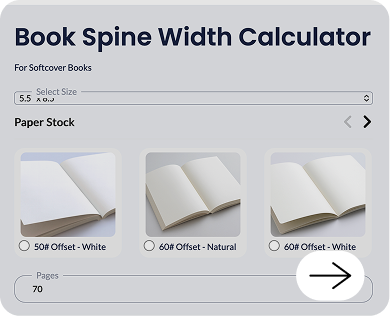
Paper choice plays a critical role in yearbook printing, especially for photo-heavy layouts. Coated paper enhances image clarity and color vibrancy, while heavier paper improves durability and reduces show-through.
Image quality is one of the most important factors in yearbook printing. High-resolution images ensure sharp, clear reproduction, while low-resolution files can appear blurry or pixelated in print.
Yearbook binding must be durable enough to withstand repeated use. Strong binding methods such as case binding or high-quality perfect binding help maintain the integrity of the book over time.
Choosing the right yearbook printing service depends on factors such as quantity, budget, customization needs, and print quality requirements. Some providers focus on large schools, while others specialize in flexible, small-batch printing.
Yearbooks are commonly printed for schools, churches, sports teams, and community organizations, making them one of the most versatile and customized types of printed books.