
Front Matter of a Book:
By Mike Ferrell | November 28, 2017

Learn what front matter in a book is, why it is important, and how to properly format front matter for self-publishing. Includes examples, structure, and best practices for professional book publishing.
Quick Answers About Front Matter
What is front matter in a book?
Front matter is the section at the beginning of a book that appears before the main content. It typically includes the title page, copyright page, table of contents, and other introductory elements.
Is front matter required for self-publishing?
Yes. Most self-published books include front matter to meet publishing standards and provide essential book information.
What comes first in front matter?
The title page is usually the first page, followed by the copyright page and optional sections like a dedication or table of contents.

What Is Front Matter in a Book?
Definition:
Front matter refers to the pages at the beginning of a book that appear before the main body text. These pages provide key information about the book, its author, and its structure.
Front matter is a standard component of professionally published books and is used in both traditional publishing and self-publishing.
Common elements of front matter include:
- Title page
- Copyright page
- Dedication
- Table of contents
- Foreword or preface
Front matter helps readers understand what the book is about and how it is organized.
Why Is Front Matter Important for Self-Publishing?
Front matter serves several important functions in book production.

1. Provides Essential Book Information
Front matter includes key publishing details such as:
- author name
- publisher information
- copyright notice
- ISBN
This information is required for distribution through platforms like Amazon KDP and IngramSpark.

2. Improves Reader Navigation
Elements like the table of contents allow readers to quickly find sections within the book.
This is especially important for:
- nonfiction books
- guides
- reference materials

3. Establishes Professional Credibility
Books with properly formatted front matter appear more professional and aligned with industry standards.
This is critical for self-publishing authors competing with traditionally published books.

4. Supports Legal Protection
The copyright page protects the author’s intellectual property and outlines usage rights.
What Are the Different Types of Front Matter?
Front matter can include several standard components. Not all books include every element.

Title Page
The title page typically includes:
- book title
- subtitle
- author name
- publisher name
This is usually the first printed page inside the book.

Copyright Page
The copyright page includes:
- copyright notice
- publication year
- ISBN
- publisher information
- rights and permissions
This page is essential for legal and distribution purposes.

Dedication Page
A dedication page allows the author to acknowledge individuals or groups.This section is optional and usually brief.

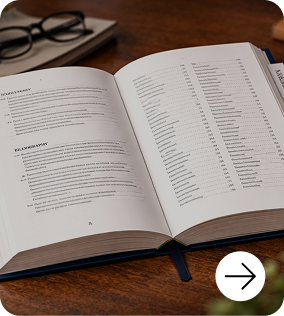
Table of Contents
The table of contents lists chapters and sections along with page numbers.It is especially important for:
- nonfiction books
- instructional books
- academic content

Foreword
A foreword is written by someone other than the author and provides context or endorsement.

Preface or Introduction
The preface is written by the author and explains
- the purpose of the book
- background information
- how the book should be read
What Order Should Front Matter Appear In?
Front matter typically follows a standard sequence.
Recommended Order
- Title page
- Copyright page
- Dedication (optional)
- Table of contents
- Foreword (optional)
- Preface or introduction
This order ensures a consistent reading experience and aligns with publishing standards.

How to Format Front Matter for a Book
Formatting front matter correctly is essential for professional publishing.

Step 2 – Keep Layout Simple
Front matter pages should use clean, minimal formatting with consistent typography.

Step 3 – Start Main Content on Page 1
The main body of the book begins with Arabic numerals starting at page 1.

Step 4 – Ensure Consistency Across Formats
Front matter should be properly formatted for:
- print books
- ebooks
- audiobooks (where applicable for metadata)

How Does Front Matter Work in Print-on-Demand Publishing?
In print-on-demand workflows, front matter is included as part of the final print-ready file.
Platforms like Amazon KDP and IngramSpark require:
- properly formatted title and copyright pages
- correct pagination
- consistent file structure
Errors in front matter can cause:
- formatting issues
- rejection during upload
- poor reader experience
Examples of Front Matter Use Cases
A free service that ensures your book files are error-free, print-ready, and backed by DiggyPOD’s quality guarantee.

Fiction Books
Typically include:
- title page
- copyright page
- dedication
Often minimal to maintain reading flow.

Nonfiction Books
Usually include:
- table of contents
- preface
- introduction
These elements help organize complex information

Academic or Technical Books
Often include:
- detailed table of contents
- foreword
- acknowledgments
These books rely heavily on structured navigation.
Key Takeaways
- Front matter is the section at the beginning of a book before the main content.
- It includes elements like the title page, copyright page, and table of contents.
- Proper front matter improves professionalism, readability, and navigation.
- It is required for distribution on major publishing platforms.
- Formatting front matter correctly is essential for print and digital publishing.

FAQ’s
What is front matter in a book?
Front matter is the section at the beginning of a book that appears before the main content. It typically includes the title page, copyright page, table of contents, and other introductory elements.
Is front matter required for self-publishing?
Yes. Most self-published books include front matter to meet publishing standards and provide essential book information.
What comes first in front matter?
The title page is usually the first page, followed by the copyright page and optional sections like a dedication or table of contents.
Do fiction books need a table of contents?
Not always. Fiction books often omit a table of contents, while nonfiction books typically include one.
How is front matter numbered?
Front matter pages are usually numbered using lowercase Roman numerals, while the main content uses standard numbers.

Summary
Front matter is the section at the beginning of a book that includes key pages such as the title page, copyright page, and table of contents. It appears before the main content and provides essential publishing information.
Most professionally published books include front matter to improve readability, provide legal protection, and ensure proper formatting for distribution.
Front matter is typically numbered using Roman numerals, while the main content begins on page one using standard numbering.
Other Topics You May Be Interested In


People Also Ask
What is front matter in a book?
Front matter is the section at the beginning of a book that appears before the main text. It typically includes the title page, copyright page, and table of contents, and provides essential information about the book’s structure and publication details.
Why is front matter important in publishing?
Front matter is important because it provides legal, structural, and navigational information. It helps establish credibility, protects copyright, and allows readers to understand how a book is organized before they begin reading.
What pages are included in front matter?
Front matter can include the title page, copyright page, dedication, table of contents, foreword, and preface. Not all books include every element, but most professionally published books include at least the title and copyright pages.
How should front matter be formatted?
Front matter is typically formatted using Roman numerals and appears before the main content of the book. The design is usually minimal and consistent, with the main body of the book beginning on page one.
Do self-published books need front matter?
Yes. Self-published books should include front matter to meet publishing standards and ensure compatibility with distribution platforms such as Amazon KDP and IngramSpark.
What is the difference between front matter and body content?
Front matter appears before the main content of a book and provides introductory and structural information. The body content is the main text where the primary narrative or subject matter is presented.